

Blog

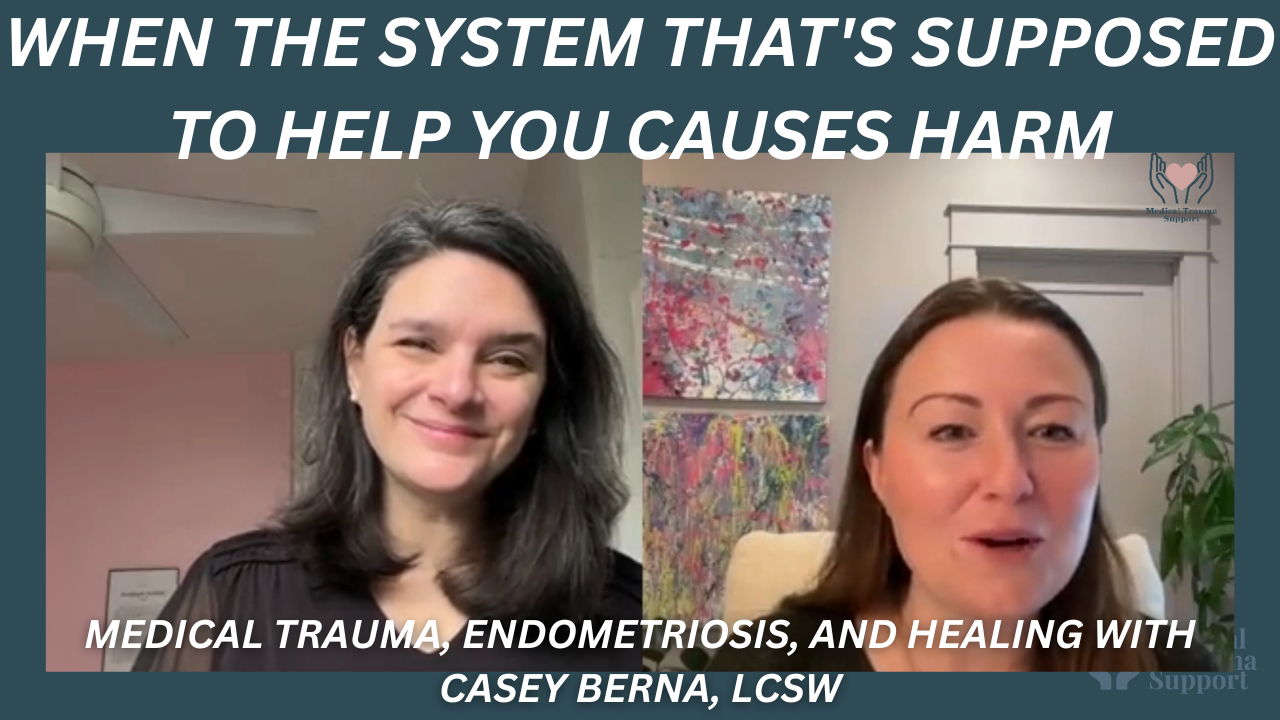
Endometriosis and Medical Trauma: When the System That Should Help You Causes Harm
Endometriosis and medical trauma often go hand in hand. Learn why your nervous system responded the way it did, and how healing is possible.
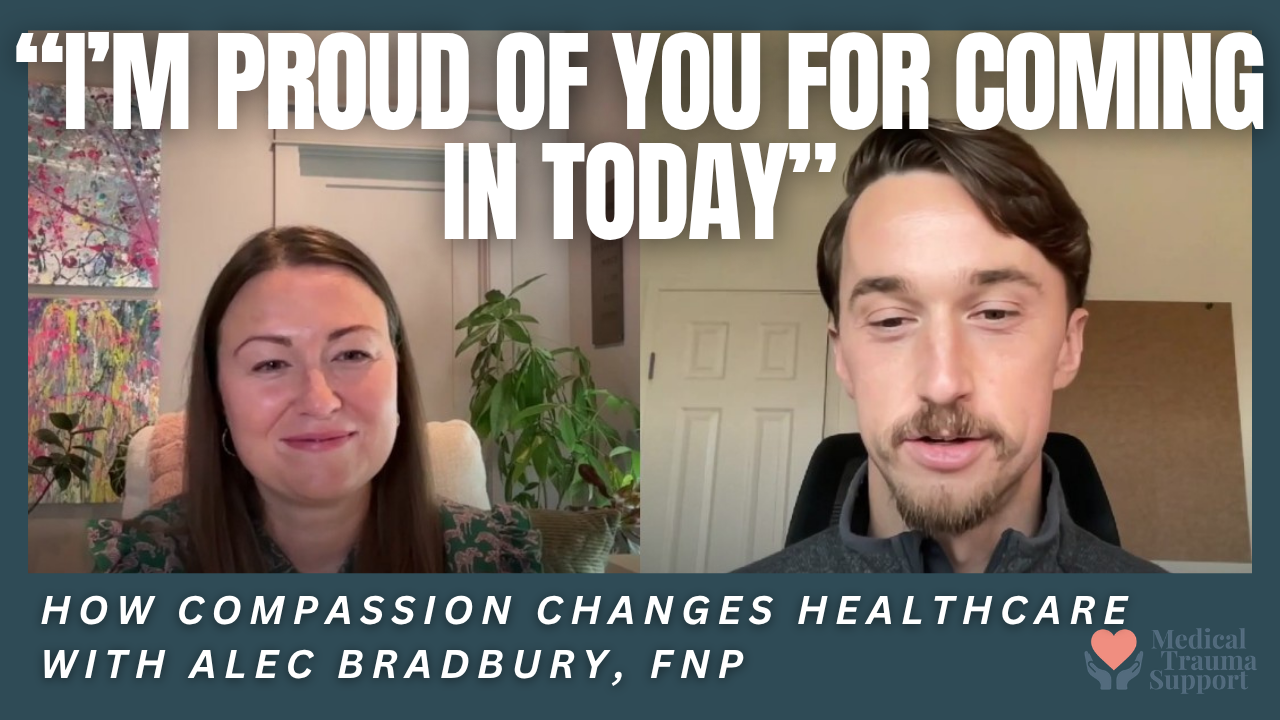
What Trauma-Informed Providers Do Differently (And Why It Changes Everything)
Not all medical care feels the same, and that difference is not an accident. In this post, inspired by a conversation with Alec Bradbury, FNP, we explore the small but powerful things trauma-informed providers do differently, and why those moments stay with patients long after the appointment ends.

Preventing Medical Trauma in Children Through Medical Play and Preparation
We can prevent medical trauma in children but helping them to prepare for the medical event as well as processing it with them. One of the best ways to do that is through play.

When Healing Hurts: The Hidden Trauma of Childhood Medical Experiences Written by Christina Gonzalez, MSW
Medical trauma in children often looks invisible — no visible wound, no dramatic event. But the nervous system remembers. In this post, guest contributor Christina Gonzalez, MSW explores how childhood medical experiences can leave lasting emotional imprints, why they so often go unacknowledged, and what healing can look like.

Shared Decision-Making in Healthcare - Additional Resources
Shared decision-making in healthcare is an important aspect to providing trauma-informed care. If you are navigating a medical challenge and want to feel like your voice is heard by your healthcare team, you may want to bring some of these resource with you to your next appointment or download our free one page guide to shared decision-making in healthcare. I hope these resources are helpful and feel supportive to you in your medical journey.
Shared Decision-Making in Medicine: Why It Matters
When facing medical decisions, many of us have experienced a traditional model where doctors present recommendations and patients are expected to follow without much discussion. While expertise is vital, this one-sided approach often leaves people, including parents making decisions for their children, feeling unheard, powerless, or even traumatized.
That’s where shared decision-making comes in.
Shared decision-making is a collaborative process where providers and patients work together to make choices about care. Medical professionals contribute their expertise, while patients and families bring their lived experience, values, and preferences. Both voices matter equally in shaping the plan forward.
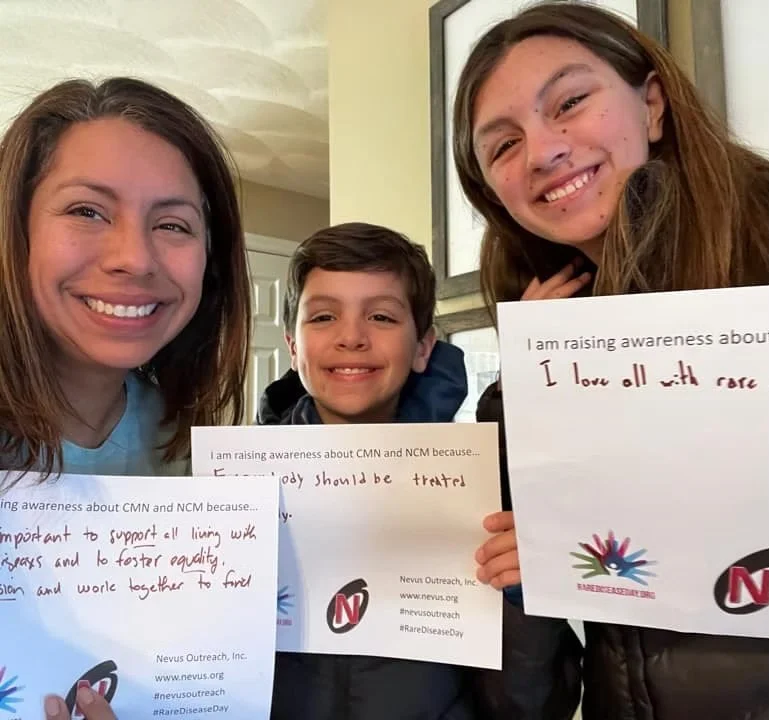
Finding Community in the Midst of Medical Stress: A Conversation with Nevus Outreach
When your baby is born, we imagine those first moments as joyful, filled with love and celebration. But for some families, those first minutes also bring surprise and unexpected choices and decisions. This is the reality for many families whose children are born with congenital melanocytic nevi (CMN) — rare, pigmented birthmarks that can range in size and appearance. Because CMN can’t be detected before birth, many parents first learn about it in the delivery room.

What Parents Need to Know About Medical Trauma
If your child has faced surgery, chronic illness, or an unexpected hospital stay, you’ve likely felt that same heaviness. Parents often juggle life‑or‑death decisions, endless logistics, and a gnawing fear of getting it wrong. Those feelings are normal and acknowledging them is the first step toward helping your child heal.

Medical Trauma in Children
It can be heartbreaking to know that your child has experienced medical trauma, and incredibly challenging to manage the symptoms that follow. I have the lived experience of parenting a child who experienced medical trauma at an early age and began showing trauma responses any time we were near anything connected to the medical system -- doctors, dentists, even bandaids. We saw symptoms outside of appointments too, including delayed potty training and extreme fear that seemed to come out of nowhere.